ADDRESSING LONG-TERM COMMUNICATION ISSUES
Great Ormond Street Hospital was much loved, and provided a wide range of high quality specialist services. However, both the NHS Trust and the fundraising charity suffered from flabby and out of date claims and descriptions.
The hospital needed a massive increase in fundraising to develop a site, two thirds of which was old or substandard. In addition, the hospital was losing tens of millions of pounds in NHS research income and needed to secure its status, with the UCL Institute of Child Health, as one of the world’s leading research institutes for children.
Misunderstandings were widespread – that fundraising in the 1980s had solved the hospital’s building problems; that Great Ormond Street was the only NHS hospital that fundraised income; and that research was nebulous ivory tower stuff, not connected to patients.
(Admire the Southwood Building above, still in clinical use in the C.21st. Note the 1930s balconies so children with TB could sleep in the open air…)

Alongside fundraising and management, I worked to:
- Have a solid checked set of facts, claims and descriptions used by staff
- Focus PR on specific business needs and priority areas of work – all PR was to a purpose
- Raise awareness of the poor quality of many buildings – many wards were on a 1930s building, the oldest in NHS clinical use in London
- Explain the role of GOSH research working with the Institute of Child Health, the largest research centre into childhood illness in Europe
- Rebut misunderstandings as they arose and through FAQs
As a result, understanding of our need rose, and criticism of our fundraising fell. Over a decade fundraised income rose from £10m to c £50m per year.
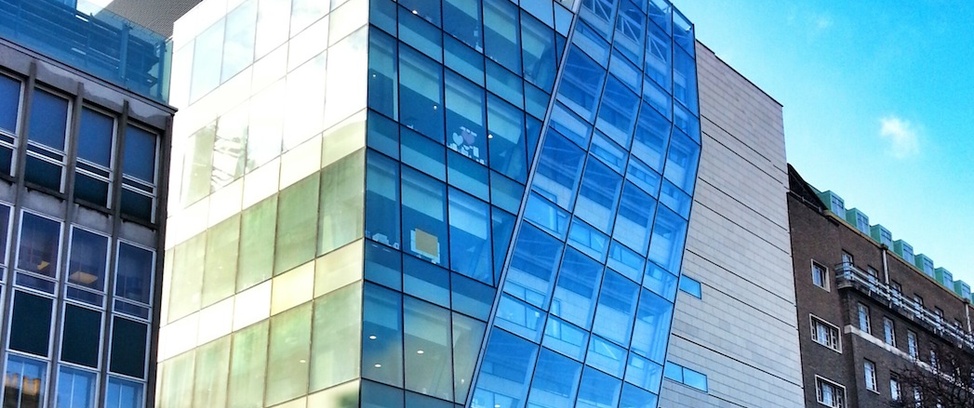
See the Morgan Stanley Clinical Building which offers modern facilities… I helped build this!